
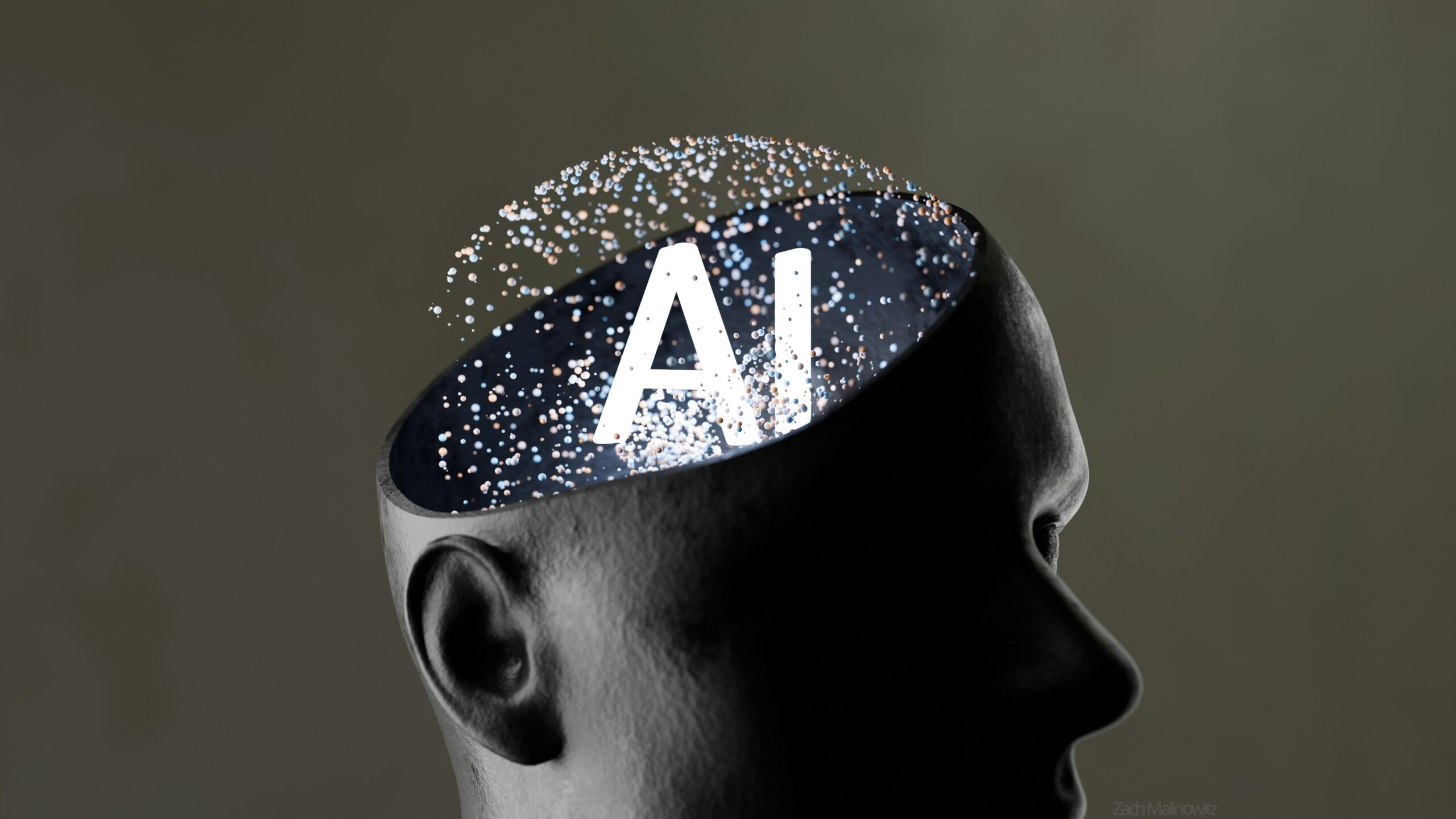
Artificial Intelligence has changed the way people write, create, and publish content online. In 2026, AI tools are everywhere. They can write articles, generate ideas, create scripts, and even improve grammar. Because of this, many people are asking an important question: can AI completely replace human writers?
At first glance, it may look like the answer is yes. AI is fast, efficient, and available 24/7. It can produce thousands of words in seconds. But when we look deeper, the situation becomes more balanced.
In this guide, we will understand what AI can do, what it cannot do, and whether it can truly replace human writers.
How AI Writing Tools Work
AI writing tools like ChatGPT and others are trained on large amounts of text data. They learn patterns from books, websites, articles, and other written material. Based on this training, they generate responses that look like human writing.
When you give a prompt, AI does not “think” like a human. Instead, it predicts the most likely words and sentences based on patterns.
This is why AI can write quickly, but it does not truly understand emotions, experiences, or personal meaning the way humans do.
What AI Can Do Well
AI writing tools are very powerful in many areas. They are especially useful for speed and productivity.
1. Generating Content Quickly
AI can create articles, blog posts, emails, and scripts in seconds. This is extremely helpful for people who need large amounts of content in a short time.
2. Helping with Ideas
Many writers struggle with writer’s block. AI can generate topic ideas, headlines, and outlines instantly. This makes it easier to start writing.
3. Basic Research and Summaries
AI can summarize long articles and explain topics in simple language. This helps writers understand subjects faster.
4. Improving Grammar and Structure
AI tools can fix grammar mistakes, improve sentence flow, and make writing more readable.
5. Supporting Productivity
Writers can use AI as an assistant to save time on repetitive tasks like rewriting, formatting, and editing.
Where AI Falls Short
Even though AI is powerful, it still has clear limitations.
1. Lack of Real Experience
AI does not have real-life experiences. It cannot feel emotions or understand personal struggles. Human writing often connects with readers because it comes from real experiences.
2. Generic Content
If not guided properly, AI often produces content that sounds generic or repetitive. Many AI-written texts feel similar because they follow patterns.
3. Creativity Limits
AI can combine existing ideas, but true creativity often comes from human imagination, culture, and personal insight.
4. No True Understanding
AI does not understand meaning the way humans do. It only processes patterns in language.
5. Fact Errors
Sometimes AI can produce incorrect or outdated information. This is why human review is always important.
Can AI Replace Human Writers Completely?
The simple answer is no, at least not fully.
AI is very good at assisting writing, but it cannot replace the human touch. Writing is not just about putting words together. It is about emotion, storytelling, experience, and perspective.
For example, a human writer can:
- Share personal stories
- Express emotions deeply
- Understand cultural context
- Create original ideas from life experience
- Connect with readers on a personal level
AI cannot fully replicate these qualities.
The Real Role of AI in Writing
Instead of replacing writers, AI is becoming a tool that supports writers.
Think of AI as a writing assistant rather than a replacement. It helps speed up the process but still needs human direction.
A modern writer in 2026 does not work alone. They work with AI tools to improve efficiency and output.
How Writers Use AI in Real Life
Today, many writers already use AI in their daily work.
Bloggers
Bloggers use AI to generate ideas, outlines, and drafts. Then they edit the content to match their style.
Freelancers
Freelance writers use AI to complete projects faster and handle more clients.
Students
Students use AI to understand topics and improve writing quality.
Marketing Teams
Marketing teams use AI to write ads, emails, and social media content.
In all these cases, AI is a helper, not a replacement.
Why Human Writers Are Still Important
Human writers still play a very important role in content creation.
1. Emotional Connection
Readers connect with content that feels real. Human writing can express emotions that AI cannot fully replicate.
2. Original Thinking
Humans can create new ideas based on experience, observation, and creativity.
3. Trust and Authenticity
People often trust content that feels human, honest, and relatable.
4. Context Understanding
Human writers understand cultural, social, and situational context better than AI.
The Future of Writing with AI
Instead of replacing writers, AI is changing how writing works.
In the future, writing will likely become a collaboration between humans and AI.
Writers will focus more on:
- Ideas
- Creativity
- Storytelling
- Strategy
- Editing AI-generated content
And AI will handle:
- Draft writing
- Grammar correction
- Summarization
- Basic research
- Content formatting
This combination will make writing faster and more efficient.
How to Become a Better Writer in the AI Era
If you want to succeed as a writer in 2026 and beyond, you should learn how to use AI properly.
1. Use AI as a Tool
Do not depend on AI completely. Use it to assist your writing process.
2. Add Your Own Voice
Always edit AI content to match your personal style and tone.
3. Focus on Creativity
AI can generate text, but creativity still comes from you.
4. Learn Prompting Skills
The better your instructions to AI, the better your results will be.
5. Edit Everything
Never publish AI content without reviewing and improving it.
Common Misunderstandings About AI Writing
“AI Will Replace All Writers”
This is not true. AI can assist, but human creativity is still necessary.
“AI Writing Is Perfect”
AI still makes mistakes and can produce inaccurate information.
“Writers Are No Longer Needed”
Writers are still needed for storytelling, branding, marketing, and emotional content.
Final Thoughts
AI has changed the writing industry, but it has not replaced human writers. Instead, it has become a powerful tool that helps writers work faster and more efficiently.
In 2026, successful writers are not the ones who avoid AI. They are the ones who learn how to use it properly.
AI can write text, but humans bring meaning, creativity, and emotion to that text. The combination of both creates the best results.
So, can AI replace human writers? The answer is no. But it can definitely make them better, faster, and more productive.
The future of writing is not human vs AI. It is human with AI.