
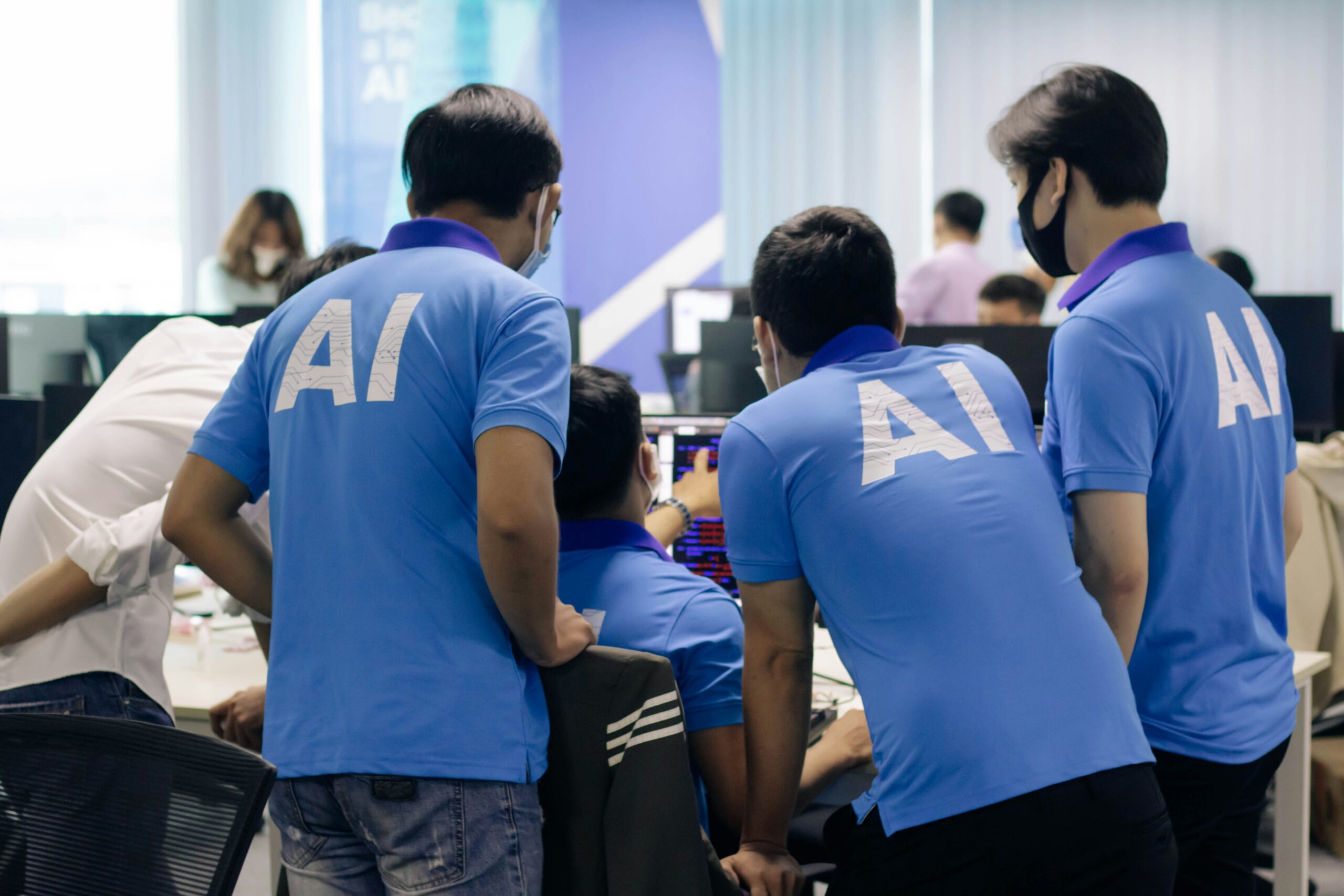
The world of work is changing faster than ever before. In 2026, artificial intelligence is no longer just a trend or a tool for tech experts. It has become a normal part of everyday jobs across almost every industry.
From writing and design to customer service and business planning, AI is reshaping how people work, learn, and earn money.
In this blog, we will explore how AI is changing the future of work in a simple and easy-to-understand way.
Why AI Is Transforming the Workplace
AI is becoming popular in workplaces because it helps save time and reduce effort.
Companies and individuals are using AI for many reasons:
- It speeds up daily tasks
- It reduces manual work
- It improves productivity
- It helps with decision-making
- It reduces costs for businesses
Instead of replacing humans completely, AI is changing how humans work.
1. AI is Automating Repetitive Tasks
One of the biggest changes AI has brought is automation.
Many simple and repetitive tasks are now done by AI tools.
Examples include:
- Data entry
- Email replies
- Basic customer support
- Scheduling tasks
- Generating reports
This allows workers to focus on more important and creative work instead of wasting time on repetitive jobs.
2. AI is Changing Content Creation
Content creation is one of the most affected industries.
Writers, marketers, and creators are now using AI tools to speed up their work.
AI helps with:
- Writing articles
- Creating blog ideas
- Generating video scripts
- Writing social media posts
- Editing and proofreading
Tools like ChatGPT and other AI platforms help creators produce more content in less time.
However, human creativity is still very important for quality and originality.
3. AI is Improving Customer Service
Many companies are now using AI chatbots for customer support.
These chatbots can:
- Answer common questions
- Solve basic problems
- Guide users through processes
- Provide 24/7 support
This reduces waiting time for customers and improves service quality.
Human agents are still needed for complex issues, but AI handles most simple queries.
4. AI is Changing Design and Creativity
Design work has also been transformed by AI tools.
People no longer need advanced design skills to create visuals.
AI tools help with:
- Logo design
- Social media posts
- Video editing
- Presentations
- Marketing materials
Tools like Canva AI and similar platforms allow beginners to create professional designs easily.
5. AI is Helping in Education and Learning
Education is also improving with AI.
Students and teachers are using AI tools to make learning easier.
AI helps in:
- Explaining difficult topics
- Creating study notes
- Generating quizzes
- Summarizing textbooks
- Personalizing learning
This makes education more flexible and accessible.
6. AI is Creating New Job Opportunities
Even though AI is replacing some tasks, it is also creating new jobs.
New roles include:
- AI content editor
- Prompt engineer
- AI marketing specialist
- Automation expert
- AI trainer
These jobs did not exist a few years ago, but now they are becoming common.
7. Freelancing is Becoming Easier with AI
Freelancers are using AI to work faster and handle more clients.
AI helps freelancers:
- Write content quickly
- Design graphics
- Manage projects
- Communicate with clients
- Deliver work faster
This means freelancers can earn more in less time.
Benefits of AI in the Workplace
AI brings many benefits to modern work environments.
Some key advantages include:
- Higher productivity
- Faster work completion
- Reduced workload
- Better accuracy in tasks
- Lower business costs
Because of these benefits, companies are adopting AI rapidly.
Challenges of AI in Work
Even though AI is helpful, it also comes with challenges.
1. Job Concerns
Some people worry that AI may replace certain jobs.
2. Dependence on Technology
Over-reliance on AI can reduce human skills if not used carefully.
3. Accuracy Issues
AI is not always perfect and can sometimes provide incorrect information.
4. Learning Curve
People need time to learn how to use AI tools effectively.
How Workers Can Adapt to AI
Instead of fearing AI, workers should learn how to use it.
Simple steps to adapt:
- Learn basic AI tools like ChatGPT
- Practice using AI in daily tasks
- Improve digital skills
- Focus on creativity and problem-solving
- Stay updated with new technology
Those who adapt will have better opportunities in the future.
Future of Work with AI
The future of work will be a mix of humans and AI working together.
AI will handle repetitive tasks, while humans will focus on creativity, strategy, and decision-making.
In the future:
- Work will become faster
- Remote jobs will increase
- AI skills will become important
- New job roles will continue to appear
The workplace will continue to evolve, but human skills will still remain valuable.
Final Thoughts
AI is not just changing tools. It is changing the entire structure of work.
In 2026, people who understand AI will have a clear advantage in almost every field.
Instead of replacing humans, AI is becoming a partner that helps people work better, faster, and smarter.
The key is to learn how to use AI properly and adapt to the new way of working.
Those who accept this change early will be better prepared for the future of work.